Compression Wear

Compression wear refers to specialised garments, such as socks, sleeves, or tights, designed to apply gentle pressure to specific areas of the body, typically the legs or arms. This pressure helps improve blood circulation, reduce swelling, and support muscle recovery. Doctors often prescribe compression wear to patients with conditions like varicose veins, lymphedema, or deep vein thrombosis, as well as for post-surgical recovery. By enhancing circulation and minimising fluid retention, these garments help alleviate discomfort, prevent complications, and promote faster healing.
We assist with the following types of compression wear:
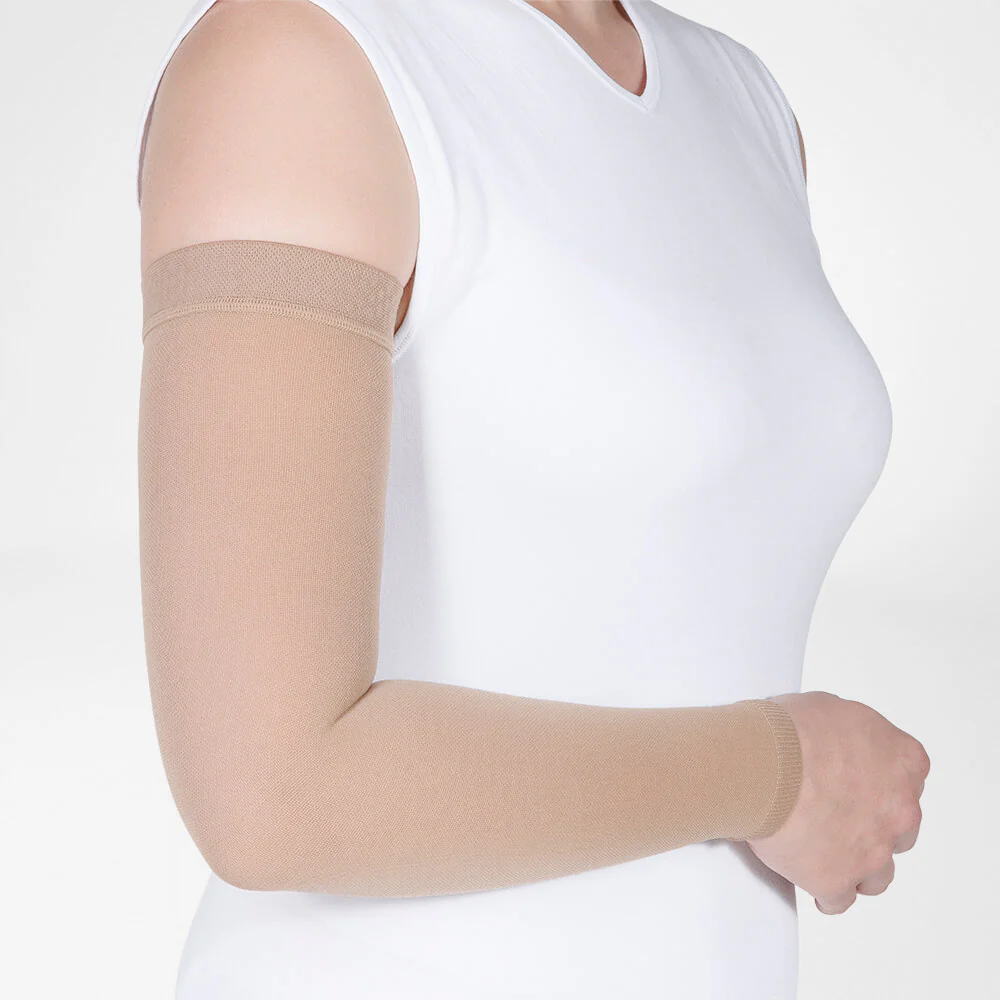
Arm Sleeves
Arm sleeve compression wear applies graduated pressure to improve circulation and support muscle function. It’s commonly used to treat lymphedema by promoting lymphatic drainage, reduce post-surgical swelling, burn wounds and manage venous insufficiency, preventing blood pooling. Athletes also use compression sleeves to enhance recovery and reduce soreness by increasing blood flow and flushing out lactic acid.
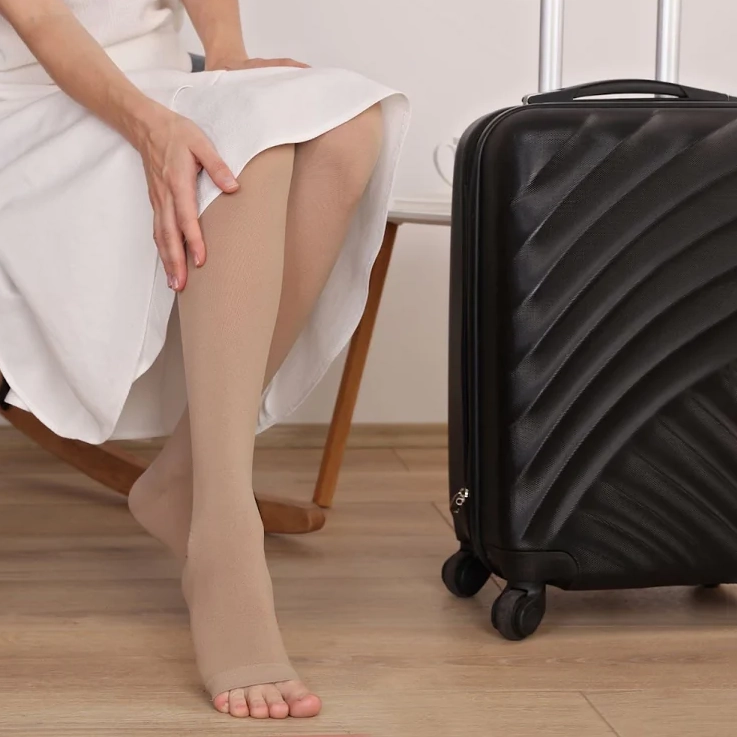
Travel Stockings
Travel compression stockings are designed to prevent leg discomfort and reduce the risk of deep vein thrombosis (DVT) during long flights or extended periods of sitting. These stockings provide graduated pressure, with the highest compression at the ankle, helping to improve blood circulation and prevent swelling, fatigue, or clotting in the legs. Travel compression stockings reduce the risk of blood pooling, making them ideal for travelers prone to leg swelling or those with a history of circulatory issues.
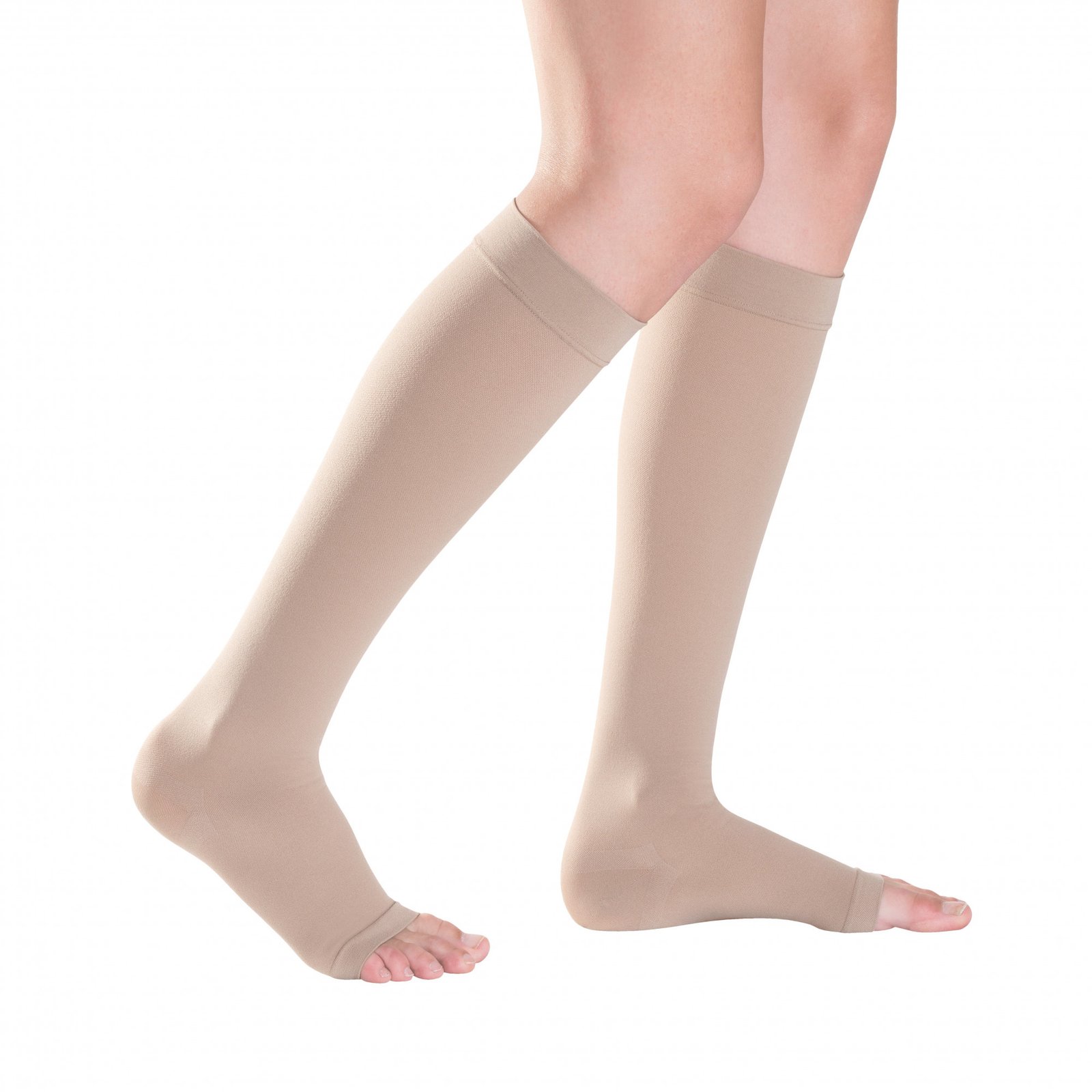
CL1 and CL2
Class 1 (CL1) and Class 2 (CL2) compression stockings differ in their level of compression. CL1 stockings provide mild compression (15-20 mmHg) and are used for early varicose veins, mild swelling, or DVT prevention during long travel or pregnancy. CL2 stockings offer moderate compression (20-30 mmHg) for more serious conditions like moderate varicose veins, post-thrombotic syndrome, or lymphedema. Both types improve circulation by applying graduated pressure, reducing swelling, and preventing complications from poor blood flow.

Maternity Compression Wear
Maternity compression wear is specially designed to support pregnant women by improving circulation and reducing swelling, particularly in the legs and feet. It provides gentle, graduated compression to help prevent varicose veins, leg discomfort, and deep vein thrombosis (DVT) during pregnancy. By promoting better blood flow, maternity compression garments reduce fluid retention and leg fatigue, helping to alleviate common issues like leg cramps and heaviness. These garments also provide additional support to the lower back and abdomen, improving comfort as the pregnancy progresses.
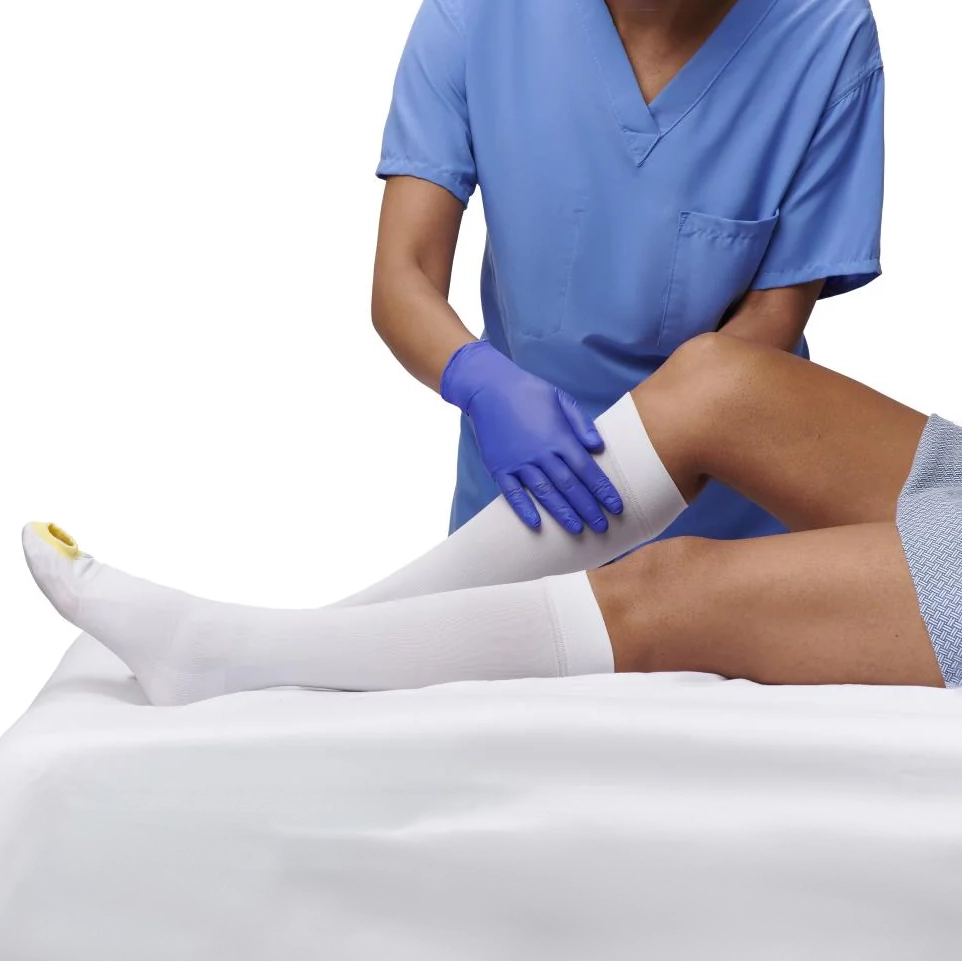
Anti Embolic Stockings
Anti-embolic stockings, also known as TED (Thrombo-Embolic Deterrent) stockings, are designed to prevent blood clots, particularly in patients who are bedridden or recovering from surgery. These stockings apply gentle, graduated pressure to the legs, promoting blood flow and reducing the risk of deep vein thrombosis (DVT) by preventing blood from pooling in the veins. Unlike regular compression stockings, anti-embolic stockings are typically used for short-term medical care and are most beneficial for individuals with limited mobility, helping to reduce the risk of embolisms during recovery.
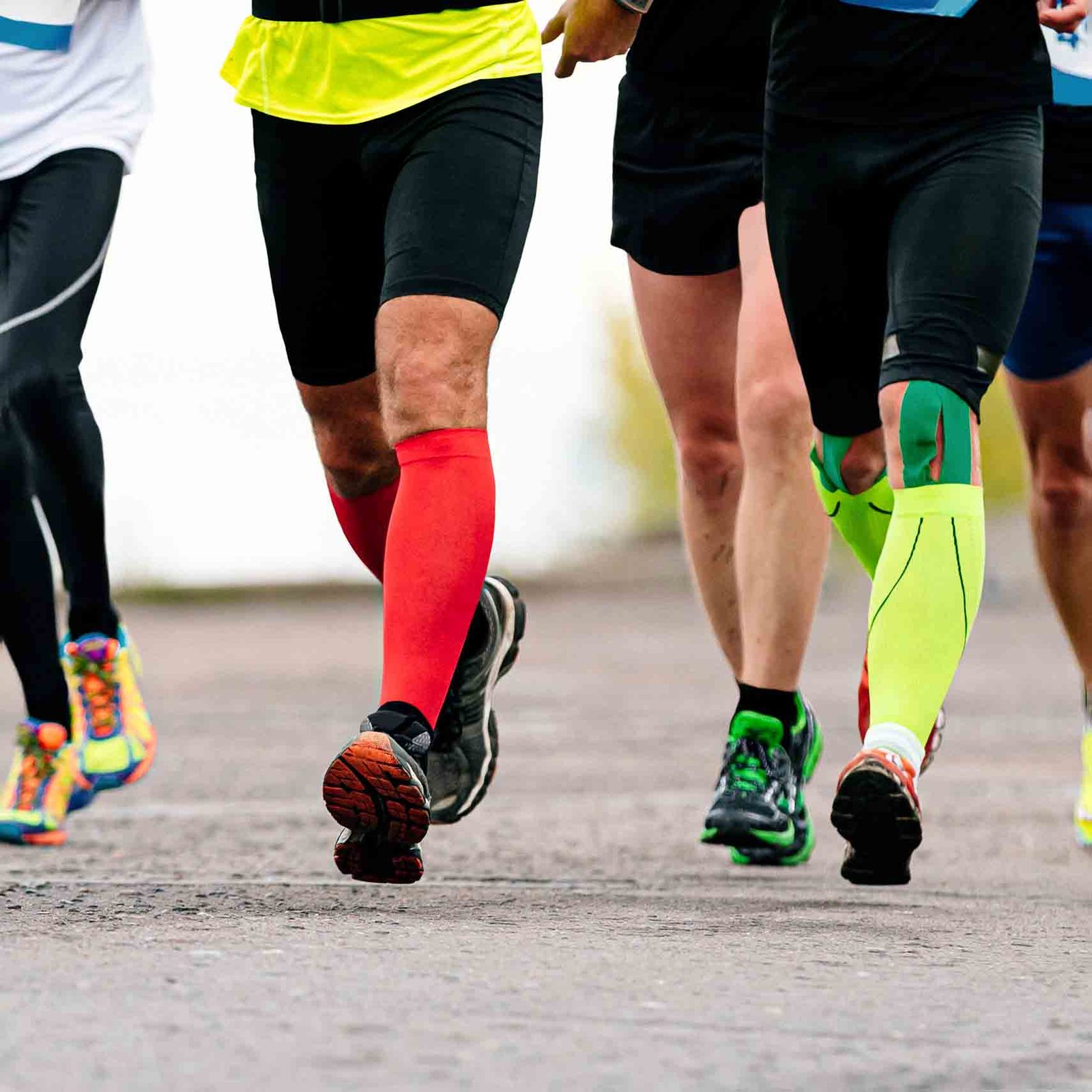
Sport Compression Wear
Sport compression wear is designed to enhance athletic performance and recovery by applying graduated pressure to key muscle groups. This improves blood circulation, delivering more oxygen to muscles and reducing the buildup of lactic acid, which helps minimise muscle fatigue and soreness. Athletes use compression garments like sleeves, socks, and shorts to support muscle stability during exercise, reduce the risk of injury, and speed up recovery post-workout. Additionally, sport compression wear can help reduce swelling and inflammation, allowing for quicker muscle repair.